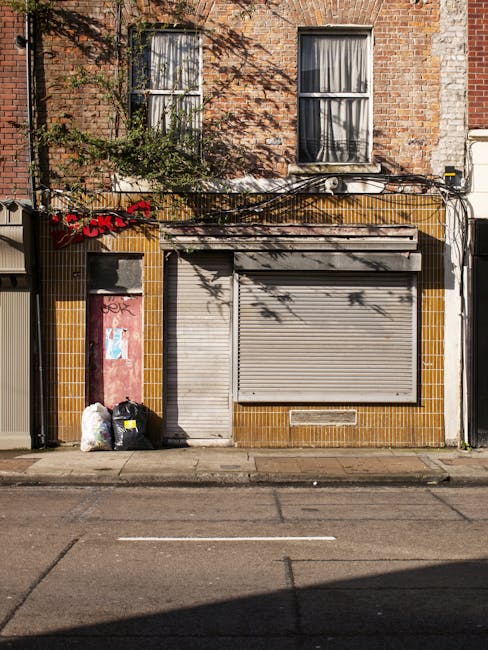
West Green Road shop rubbish services for local businesses
If you run a shop on or near West Green Road, rubbish can become one of those everyday headaches that quietly eats into time, floor space, and staff energy. Empty boxes pile up after deliveries, back rooms get cramped, and a busy trading day can quickly turn messy if waste is not collected properly. That is where West Green Road shop rubbish services for local businesses come in. Done well, they keep your premises clean, safer, and far easier to manage without interrupting trading.
This guide walks through how shop rubbish removal works, who it suits, what to watch out for, and how to choose a service that fits a local business rhythm. You will also find a practical checklist, a comparison table, and a realistic example from a typical high-street shop environment. Nothing fluffy. Just the sort of detail that helps on a Tuesday morning when the bins are full and deliveries are already waiting by the door.
For businesses that want a clearer picture of service standards and company values, it can also help to look at pages such as about us, health and safety policy, and recycling and sustainability. Those are often the pages that tell you whether a provider is organised, careful, and serious about responsible disposal.
Table of Contents
- Why West Green Road shop rubbish services for local businesses Matters
- How West Green Road shop rubbish services for local businesses Works
- Key Benefits and Practical Advantages
- Who This Is For and When It Makes Sense
- Step-by-Step Guidance
- Expert Tips for Better Results
- Common Mistakes to Avoid
- Tools, Resources and Recommendations
- Law, Compliance, Standards, or Best Practice
- Options, Methods, or Comparison Table
- Case Study or Real-World Example
- Practical Checklist
- Conclusion
- Frequently Asked Questions
Why West Green Road shop rubbish services for local businesses Matters
Retail waste is not just "stuff to take out the back". For a shop, it is part of the customer experience, staff workflow, and basic premises management. On a busy stretch like West Green Road, where footfall, deliveries, and opening hours all need to mesh neatly, rubbish can get out of hand very quickly. One missed collection or a few oversized cardboard stacks can make a small store feel cluttered almost overnight.
Good rubbish services matter because they solve more than one problem at once. They clear space, reduce odours, support safer working conditions, and help staff focus on customers instead of wrestling with bagged waste or broken-down packaging. To be fair, most shop owners do not set out to become experts in waste handling. They just want the place to run smoothly and not look like a storage room at closing time.
There is also a customer-facing side to this. A tidy shop entrance, clean service yard, and uncluttered rear area all help maintain the impression that the business is well run. People notice the small things. A shop that smells faintly of stale packaging, or has refuse bags awkwardly stacked near the doorway, can send the wrong message even if the products and service are excellent.
For local businesses on West Green Road, waste patterns can be highly specific. A convenience store may produce a constant stream of cardboard, shrink wrap, and mixed packaging. A cafe or takeaway will have food waste, containers, and grease-related disposal concerns. A small fashion retailer may generate less heavy waste but more hangers, tissue paper, polybags, and delivery boxes. The service has to match that reality, not some generic "one-size-fits-all" idea.
Expert summary: The best shop rubbish service is the one that keeps trading areas clear, collection points predictable, and disposal compliant without creating extra admin for the business.
How West Green Road shop rubbish services for local businesses Works
In practical terms, shop rubbish services usually follow a simple cycle: assess the waste, agree the collection pattern, remove the rubbish safely, and sort material for reuse, recycling, or disposal. That sounds straightforward, and mostly it is, but the details matter. A good provider will ask what kind of shop you run, how much waste you produce, where it is stored, and whether access is easy for staff and collection crews.
For many local businesses, the process starts with a walkthrough or phone-based assessment. You describe the volume and type of waste: cardboard, mixed packaging, broken display items, general rubbish, or heavier clear-outs after refits or stock changes. From there, a suitable collection method is agreed. Some shops need regular scheduled pickups. Others only need ad hoc clearances when deliveries spike or the back room starts filling up.
Collection itself should be minimally disruptive. Ideally, waste is removed at a time that does not interfere with opening hours or customer flow. In reality, timing can be a bit of a dance. A delivery arrives early, a supplier blocks the pavement, a bin lid sticks in the rain. It happens. The point is to build a system that can absorb the small annoyances without derailing the day.
After removal, waste is typically separated according to type. Recyclable cardboard and packaging should not be mixed with general waste if it can be avoided. Reusable items, surplus fixtures, and salvageable materials may sometimes be set aside for rehoming or reuse. Responsible handling is not only better for the environment; it also helps businesses avoid needless disposal costs and messy overflow.
If you are evaluating a provider, check how they talk about payment, scheduling, and service expectations. Pages like pricing and quotes and payment and security can help you understand whether the process is transparent before you commit.
Key Benefits and Practical Advantages
The most obvious benefit is space. Shops live and die by usable floor area and accessible storage. When rubbish sits around too long, it steals room from stock, equipment, and day-to-day movement. Clear waste management gives you breathing space, literally. Staff can move faster, back rooms stay more organised, and your site feels calmer.
There is also a strong operational benefit. A clean waste system saves time because staff are not improvising with extra bin bags, cardboard towers, or makeshift storage corners. You will notice that even small inefficiencies add up. Five minutes here, ten minutes there, and suddenly the close-down routine is dragging on by nearly half an hour. That is a lot over a month.
Another practical advantage is better hygiene. This matters especially for food retail, convenience stores, and any business handling perishables or customer-facing stock. Even non-food shops benefit from tidier waste handling because it reduces dust, clutter, and the risk of items getting damaged or knocked over.
Then there is the reassurance factor. When rubbish is managed by a reliable local service, the owner does not have to personally chase bags out the back, worry about missed collections, or wonder whether rubbish is being handled properly. That peace of mind counts. Let's face it, business owners already have enough to juggle.
- Cleaner presentation: customers and delivery drivers see a more professional operation.
- Less disruption: waste is taken away before it blocks trading space.
- Better safety: fewer trip hazards, sharp edges, and blocked routes.
- Improved workflow: staff spend less time managing overflow.
- Potential recycling gains: cardboard and packaging can often be separated more effectively.
Who This Is For and When It Makes Sense
This kind of service is useful for a wide range of local businesses, but it is especially relevant where waste builds up quickly or space is limited. Small retail units, corner shops, phone accessory stores, off-licences, beauty shops, bakeries, cafes, and fast-moving convenience stores are all common examples. If your shop gets frequent deliveries, uses lots of packaging, or has very little back-of-house storage, you are likely in the target group.
It also makes sense for businesses going through a transition. A refit, seasonal changeover, stock replacement, or end-of-lease clean-up can all create more rubbish than normal. In those situations, regular bin collection is rarely enough. You need a service that can clear bulky waste, mixed materials, and leftover fixtures without turning the premises into a weekend project from hell.
Even businesses with moderate waste can benefit if their opening hours are long or staff are stretched thin. If the manager is already handling tills, orders, suppliers, and customer issues, waste removal is one more thing that can slip. The service becomes less of a luxury and more of a sensible operational support.
Some shops only need occasional help after a product launch, stockroom clear-out, or packaging-heavy period. Others need something more regular. The key is to match the service to the actual pattern of waste, not the hope that "it probably won't be too bad". It usually is, eventually.
Step-by-Step Guidance
Here is a practical way to approach shop rubbish services without overcomplicating it.
- Identify the waste types. Separate cardboard, plastic wrap, general rubbish, food-related waste, and bulky items. This helps you understand what really needs collecting.
- Measure the volume honestly. Not in a perfect spreadsheet way. Just look at a normal week and a busy week. The difference can be surprisingly large.
- Check access points. Can a team remove waste without blocking customers, emergency exits, or deliveries? If not, the layout may need adjusting.
- Decide on frequency. Daily, weekly, ad hoc, or one-off. Regular waste streams need predictable collection; changeover jobs need flexibility.
- Confirm what is included. Ask whether the service covers loading, sweeping-up after removal, recyclable separation, and bulky item handling.
- Review service standards. Look for clear policies on safety, complaints, and responsibility. A business that is open about this tends to be easier to work with.
- Keep a simple routine internally. Make sure staff know where to put waste, which bags or boxes are for recycling, and when items should be left out for collection.
The whole process works best when it is boringly consistent. That may not sound exciting, but in waste management, boring is good. Boring means predictable. Predictable means fewer surprises near closing time.
Expert Tips for Better Results
One of the most useful things you can do is standardise how waste is prepared. If staff use the same storage spot, the same bag type, and the same breakdown method for cardboard, collections become much faster. Tiny thing, big difference. It reduces confusion and avoids the classic "where should this go?" moment that slows everyone down.
Another tip is to think in terms of waste streams rather than just rubbish. A mixed pile of everything is harder to manage than a small number of clearly separated categories. Cardboard, plastics, and general waste should be treated differently wherever possible. This often makes the service cleaner, easier, and more economical.
When scheduling collections, try to match them to real business rhythms. For example, many shops generate more packaging after delivery days and more general waste towards the end of a trading run. If your waste is collected at exactly the wrong point, the back room can still overflow by Friday afternoon, which is annoyingly common.
Also, keep a close eye on accessibility. If your collection point is cramped, badly lit, or awkward to reach, the service will feel less efficient and potentially less safe. A small adjustment to storage can save a lot of faff. And yes, "faff" is sometimes the right word.
- Flatten cardboard before stacking it.
- Do not overfill bags; that makes handling harder and riskier.
- Keep walkways clear, even during busy periods.
- Label bins or sacks if your team handles more than one waste type.
- Build waste checks into opening and closing routines.
If you want reassurance around how a provider handles site safety and handling procedures, insurance and safety is worth reviewing alongside the service information. It helps separate a careful operator from one that just says the right things.
Common Mistakes to Avoid
The biggest mistake is waiting until waste becomes visible in the customer area before doing anything. By then, the issue has usually spread beyond the back room. A few cardboard boxes on Monday can become a blocked aisle by Thursday. Prevention is far easier than cleanup.
Another common problem is underestimating bulky waste. Shop owners sometimes assume packaging is the only issue, then a display unit, broken shelf, old signage, or damaged stock arrives and suddenly the normal waste setup is not enough. If you are doing a refit or seasonal refresh, plan for the bigger items from the start.
A third mistake is ignoring who is responsible for preparing waste for collection. If staff members are not clear on the process, the rubbish service becomes slower and less reliable. The collection crew can only do so much if the load is mixed, blocked, or left in the wrong place.
It is also unwise to focus only on price. A cheap-looking option can cost more in the long run if it leads to missed collections, poor communication, or unclear handling of recyclables and bulky items. What looks like a bargain can quickly become a nuisance.
Finally, some businesses forget to check the provider's policies and support pages. A company that makes its approach to sustainability, complaints, and terms easy to find is usually easier to trust. Not always, but often enough to matter.
Tools, Resources and Recommendations
You do not need a complicated system to manage shop rubbish well. A few practical tools and habits go a long way. Wheelie bins, strong waste sacks, tape dispensers for flattening boxes, label markers, and a simple collection log can all help. If the team knows where to place each waste type, problems fall away quite quickly.
It is also helpful to keep a written schedule for peak days, supplier deliveries, and any extra waste events such as promotional changes or fit-outs. Even a basic wall planner by the stockroom door can be useful. Not glamorous, granted, but very effective.
For service and support expectations, these pages may be useful when choosing a provider or understanding how they operate:
- pricing and quotes for understanding how work is usually costed and requested
- recycling and sustainability for a clearer sense of responsible waste handling
- health and safety policy for site-safe working expectations
- complaints procedure if you want to know how service issues are handled
- contact us when you are ready to ask about a specific job
Those links are not there to overcomplicate things. They are there because, in real business life, reliability and clarity matter more than shiny promises.
Law, Compliance, Standards, or Best Practice
Waste handling in the UK comes with responsibilities, especially for businesses that generate commercial waste. While exact requirements depend on the type of waste and how it is managed, local businesses should always make sure rubbish is handled by a suitable service and stored safely on-site until collection. If your shop produces food waste, bulky items, or mixed materials, it is especially important to avoid casual, ad hoc disposal habits.
Best practice usually includes clear separation of waste streams where possible, safe storage, sensible collection timing, and keeping documentation or service records where appropriate. Businesses should also make sure staff know not to block fire exits, entrances, or shared access routes with waste bags or boxes. That one sounds obvious, but you would be surprised how often it gets muddled during a rush.
There is also a broader duty of care mindset to keep in mind: choose providers that appear careful about transport, disposal, and recycling. You do not need to be a legal expert to manage this well, but you do need a provider that takes the basics seriously. If a company is transparent about its terms and conditions and privacy policy, that is usually a good sign of decent administration too.
For businesses with staff, suppliers, and customer access in a tight space, a sensible safety approach matters as much as the removal itself. Waste is heavy, awkward, and occasionally sharp. Some days it is just a mountain of flattened boxes; other days it is a stubborn broken fitting that needs careful handling. Either way, shortcuts are not worth it.
Options, Methods, or Comparison Table
Different businesses need different rubbish solutions. A quick comparison can help you work out what fits best.
| Option | Best for | Strengths | Limitations |
|---|---|---|---|
| Regular scheduled collections | Shops with predictable weekly waste | Stable, easy to plan around, keeps clutter down | Can be inefficient if waste levels vary a lot |
| Ad hoc collections | Businesses with occasional spikes or clear-outs | Flexible, useful for seasonal or one-off jobs | Less predictable if used for constant waste streams |
| Bulky item removal | Refits, damaged fixtures, old displays, stockroom clearances | Handles awkward items that bin collection cannot | May require better access and planning |
| Recycling-led clearance | Shops with lots of cardboard and packaging | Supports sustainability and can reduce mixed waste | Needs good separation at source |
If your business is mostly packaging-heavy, a recycling-led approach is often the most sensible starting point. If you are doing a refit, a one-off clearance is usually better. If waste is steady and always arriving, a regular schedule keeps life calmer. Simple as that.
Case Study or Real-World Example
Imagine a small retail shop on West Green Road that receives three delivery drops a week and runs a modest stockroom at the back. At first, the team manages waste internally with ordinary bins and a couple of sacks. It works fine for a while. Then seasonal stock arrives, promotional displays are changed, and cardboard starts stacking near the rear door. The situation does not explode. It just quietly gets in the way.
The owner decides to put a more structured rubbish arrangement in place. Cardboard is flattened the same day it arrives. Mixed packaging is separated where possible. Staff get a clear instruction on where to place waste and when not to overfill bags. A local collection service is arranged so the shop no longer has to juggle overflow every few days.
Within a couple of weeks, the back room feels more usable. Deliveries are easier to store. Customers no longer see boxes near the doorway. Staff are less rushed at close. Nothing dramatic happened, which is exactly the point. The business simply became easier to run.
A similar pattern often appears in cafes and small takeaways too, though with food-related waste the need for hygiene and timing becomes even more noticeable. The principle is the same: a clean system saves time, stress, and those slightly grim moments when everyone is trying not to look at the overflowing bag.
Practical Checklist
Use this checklist to see whether your current shop waste setup is actually doing its job.
- Waste types are separated where practical.
- Cardboard is flattened before storage.
- Collection points do not block entrances or exits.
- Staff know where each kind of rubbish should go.
- The collection schedule matches your trading pattern.
- Bulky items are planned for, not handled as an afterthought.
- Back-of-house storage is tidy and accessible.
- Recycling is being used properly instead of mixed in by habit.
- Your provider's terms, safety information, and service expectations are clear.
- You know who to contact if a collection is missed or changed.
If you tick only half of these, that is not a failure. It just means there is probably an easy win hiding in plain sight.
Get a free quote today and see how much you can save.
Conclusion
West Green Road shop rubbish services for local businesses are not just about getting waste out the door. They are about keeping a shop workable, tidy, safer, and easier to run every single week. The best setup is the one that fits your actual trade: your delivery pattern, your space, your staffing, and the type of rubbish your business creates.
If you take nothing else from this guide, take this: waste management works best when it is planned before it becomes a problem. A little structure goes a long way, and once it is in place, the day-to-day difference is genuinely noticeable. Fewer clutter piles. Less stress. A more professional feel. That kind of quiet improvement is easy to overlook, but it matters.
And honestly, if the back room stays calm while the shop floor stays busy, that is a pretty good result.
Frequently Asked Questions
What do West Green Road shop rubbish services for local businesses usually include?
They usually include the collection and removal of shop waste such as cardboard, packaging, general rubbish, and sometimes bulky items from refits or clear-outs. The exact service depends on the business and how much waste it produces.
Do small shops really need a dedicated rubbish service?
Often, yes. Small shops can generate more waste than expected, especially when deliveries are frequent or storage space is tight. A dedicated service helps prevent clutter and keeps the back area manageable.
How often should a shop waste collection happen?
That depends on turnover, delivery frequency, and the type of waste. Some businesses need daily or weekly collections, while others only need occasional clearances after busy periods or stock changes.
Can cardboard and packaging be collected separately?
In many cases, yes, and that is often the smarter option. Separating cardboard and packaging can improve recycling and make collections cleaner and easier to manage.
What happens if my shop has bulky waste from a refit?
A one-off bulky waste collection is usually the better choice. Old shelves, displays, damaged fittings, and other larger items need a service that can handle awkward loads safely.
Is waste collection disruptive to trading hours?
It does not have to be. A good service should work around your opening times where possible and remove waste with minimal disruption to staff and customers.
How do I know if a rubbish provider is reliable?
Look for clear service information, sensible scheduling, straightforward pricing, and policies that explain safety, complaints, and payments. Reliable providers tend to be organised and transparent.
What should staff do to prepare shop waste for collection?
Staff should flatten cardboard, use the right bags or containers, keep waste in the agreed location, and avoid overfilling anything. A simple routine makes the whole process smoother.
Are there compliance issues I need to think about?
Yes. Commercial waste should be handled responsibly, stored safely, and collected by a suitable service. Shops should also avoid blocking exits or access routes with waste, even temporarily.
What is the main benefit of using a local shop rubbish service?
The main benefit is control. You get a cleaner shop, less clutter, better workflow, and fewer surprises from overflowing waste. Local support can also make scheduling easier and more responsive.
How can I reduce waste collection costs over time?
Start by separating recyclables, flattening cardboard, and choosing a collection frequency that matches your actual waste output. Over-collecting or mixing waste streams unnecessarily can make things less efficient.
How do I arrange a service or ask for advice?
You can review service information first, then make an enquiry through the contact page. If you want to compare options beforehand, the pricing and quotes page is a sensible place to start.