Optimizing Cardboard and Packaging Waste Handling
Optimizing Cardboard and Packaging Waste Handling
In today's eco-conscious business landscape, optimizing cardboard and packaging waste handling has become a critical aspect for organizations aiming to enhance sustainability, reduce operational costs, and comply with environmental regulations. This article delves deep into the best practices, innovative technologies, and actionable strategies for effective management of cardboard and packaging waste.

Understanding Cardboard and Packaging Waste
Cardboard and packaging waste primarily originates from shipping, product packaging, and distribution activities. Globally, the surge in e-commerce and retail industries has intensified the demand for efficient packaging waste management solutions. Here's what makes optimizing cardboard and packaging waste so essential:
- Environmental Impact: Cardboard and packaging are significant contributors to landfill waste and deforestation when not properly managed.
- Regulatory Requirements: Many countries have stringent recycling mandates to ensure waste is minimized and resources are conserved.
- Financial Implications: Reducing waste means lower disposal costs and increased revenue from recycled materials.
Types of Cardboard and Packaging Materials
- Corrugated Cardboard: The most common packaging material, used for shipping boxes and product packaging.
- Paperboard: Thinner than corrugated and typically used for retail packaging like cereal boxes.
- Plastic Packaging: Including wrapping films, shrink wraps, and plastic containers.
- Mixed-material Packaging: A combination of paper, plastic, or metal, often used for specialized packaging needs.
Challenges in Cardboard and Packaging Waste Handling
Effective cardboard waste management faces several challenges:
- Contamination: Food residues or mixed materials can make recycling difficult.
- Storage and Space: Cardboard waste is bulky and can quickly occupy valuable facility space.
- Collection Efficiency: Infrequent collection leads to clutter and increased fire hazards.
- Employee Engagement: Staff may not always follow optimized disposal practices.
Strategies for Optimizing Cardboard and Packaging Waste Handling
1. Evaluate Your Waste Stream
Conducting a waste audit is the first step towards optimizing your packaging waste management. A waste audit will help you:
- Identify key sources and types of cardboard and packaging waste.
- Estimate current waste volumes.
- Understand contamination or inefficiencies in your existing processes.
2. Implement Source Reduction Initiatives
*Source reduction* focuses on preventing waste at its inception. Some practical approaches include:
- Supplier Collaboration: Work with suppliers to minimize unnecessary packaging or switch to recyclable materials.
- Product Redesign: Design products that require less packaging or utilize standardized box sizes.
- Bulk Ordering: Order in bulk to cut down on per-unit packaging waste.
3. Segregate Waste Efficiently
Properly separating cardboard and packaging from general waste is crucial for enhanced recycling:
- Use color-coded bins or clearly labeled containers.
- Train employees to flatten and segregate cardboard efficiently.
- Ensure clean and dry storage to prevent contamination.
4. Invest in Balers and Compactors
Balers and compactors dramatically improve the efficiency of cardboard waste handling:
- Reduce the volume of cardboard waste, saving valuable storage space.
- Make waste collection and transportation more cost-effective.
- Enhance workplace safety by minimizing loose materials.
5. Partner with Certified Recyclers
Collaborate with reputable recycling partners that provide transparent end-to-end processes. Look for recyclers who:
- Offer regular collection schedules.
- Can process a variety of packaging materials.
- Provide certificates of recycling or data for sustainability reporting.
Technological Innovations in Cardboard and Packaging Waste Optimization
Smart Waste Collection Systems
Internet of Things (IoT) solutions are revolutionizing waste collection. Smart bins equipped with sensors alert waste management teams when bins are full, enabling timely and efficient collection.
Automated Sorting Technologies
AI-powered optical sorting machines can quickly and accurately separate cardboard, paper, plastics, and mixed materials. This automation reduces labor and increases recycling rates.
Data-Driven Waste Management Platforms
Modern platforms leverage data analytics to provide real-time insights on waste generation, collection schedules, and recycling performance. These dashboards support informed decision-making and continuous improvement.
Special Considerations for Businesses: Cardboard and Packaging Waste in E-commerce
E-commerce has dramatically increased the volume of packaging waste. Businesses in this sector must be extra vigilant about optimizing cardboard and packaging waste handling to remain competitive and environmentally responsible.
Adopt Sustainable Packaging
- Switch to biodegradable, compostable, or recycled cardboard materials.
- Minimize void fill and oversized boxes for right-sized packaging.
- Use customer-facing messaging to promote packaging recycling and responsible disposal.
Involve Your Customers
- Offer incentives for returning used packaging for reuse or recycling.
- Provide clear instructions for downstream recycling or composting.
Legal Compliance and Best Practice Standards
Ensuring compliance with local and international waste management standards is a must:
- Extended Producer Responsibility (EPR): Producers are increasingly accountable for the lifecycle of packaging waste.
- ISO 14001: This standard helps organizations systematize their environmental management processes, including waste handling.
- National Recycling Targets: Governments often set minimum recycling rates that businesses must meet.
Stay Updated on Legislation
Maintain contact with your local waste authorities and review changes in waste management legislation regularly. Failing to comply can lead to legal penalties and reputational damage.
Employee Training and Engagement for Cardboard Waste Optimization
Your team plays a vital role in the success of any cardboard and packaging waste management program. Foster an engaged culture with these steps:
- Conduct regular training on proper waste segregation, baling, and recycling protocols.
- Offer recognition and rewards for innovative waste reduction ideas.
- Share recycling success stories to build enthusiasm.
Education Tools and Resources
Post visual aids at collection points illustrating do's and don'ts. Use internal newsletters and emails to reinforce the message and update staff on performance.
Measuring Success: Key Metrics for Packaging Waste Handling
Monitoring and analyzing performance metrics is a crucial part of optimizing waste management:
- Recycling Rate: Percentage of packaging waste diverted from landfills.
- Waste Generation Per Unit: Amount of packaging waste produced per product shipped or output unit.
- Financial Savings: Costs avoided through waste reduction and recycling revenue generated.
Continuous Improvement Through Benchmarking
Compare your organization's waste metrics against industry averages or best-practices to identify additional opportunities for improvement.
Case Studies: Real-world Examples of Packaging Waste Optimization
- Large Retailer: Implemented automated balers and reduced weekly waste collection pickups from 10 to 3, resulting in annual savings of $50,000.
- E-commerce Company: Switched to 100% recycled cardboard for packaging, reducing their carbon footprint by 30% and improving brand reputation among eco-conscious consumers.
- Manufacturing Facility: Organized employee waste reduction competitions, leading to a 25% decrease in general waste within a year.
Barriers to Effective Cardboard and Packaging Waste Optimization
- High Upfront Investment: Equipment like balers and smart bins require significant capital outlay.
- Lack of Awareness: Staff may not realize the importance and impact of waste optimization.
- Complex Waste Streams: Mixed materials or contaminated packaging make recycling more challenging.
- Logistical Complications: Inconsistent waste volumes or remote sites complicate efficient collection.
Future Trends in Packaging Waste Management
Emergence of Circular Economy Initiatives
The concept of a circular economy -- where resources are reused, recycled, or regenerated -- is gaining traction worldwide. In the context of cardboard and packaging waste handling, this means manufacturers are designing packaging for easy recyclability and even reuse.
Biodegradable and Smart Packaging
- Cardboard and paper embedded with QR codes for recycling instructions.
- Packaging materials that break down naturally, reducing the burden on waste management systems.
Pallet and Logistics Innovation
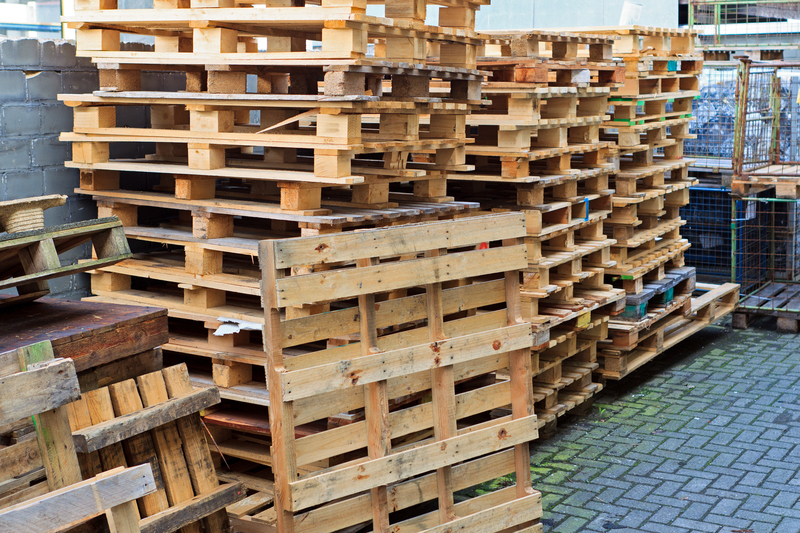
Reusable pallets, collapsible containers, and returnable transit packaging are increasingly replacing single-use solutions, further reducing packaging waste across supply chains.
Conclusion: Best Practices for Optimizing Cardboard and Packaging Waste Handling
Optimizing the handling of cardboard and packaging waste is an ongoing process that yields significant operational, environmental, and financial benefits. By evaluating your current waste streams, investing in technology, educating staff, partnering with reliable recyclers, and staying ahead of regulatory requirements, you can establish or refine a *world-class* packaging waste management program.
- Start with a comprehensive waste audit.
- Focus on both source reduction and efficient recycling.
- Leverage compactors, balers, and smart sorting technology.
- Train employees regularly and reward waste-conscious behaviors.
- Engage customers and share your sustainability journey.
Through *continuous improvement* and an innovative approach, organizations can not only reduce their environmental impact but also demonstrate industry leadership in sustainable business practices. Whether you're a small retailer or a global e-commerce company, optimizing cardboard and packaging waste handling is an imperative you can't afford to ignore.